
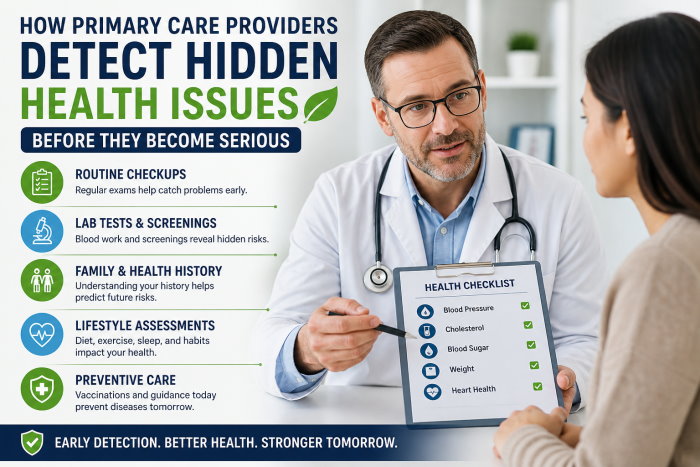
🩺 How Primary Care Providers Detect Hidden Health Issues Before They Become Serious
Primary Care Providers Detect Hidden Health Issues Before They Become Serious by combining routine screenings, patient history, modern technology, and preventive strategies. These professionals act as the first checkpoint in the healthcare system, helping identify subtle warning signs before they evolve into major medical conditions.
Let’s dive deep into how they do it—and why it matters more than ever. By Sole Health Medical Center
🧑⚕️ Understanding the Role of Primary Care Providers
Primary care providers (PCPs) are often your first stop in the healthcare journey. They’re not just there when you’re sick—they’re there to keep you from getting sick in the first place.
Importance of Preventive Healthcare
Preventive healthcare is all about catching problems early. Instead of waiting for symptoms to worsen, PCPs focus on identifying risks before they become serious. This approach helps:
- Reduce healthcare costs
- Improve long-term health outcomes
- Prevent chronic diseases
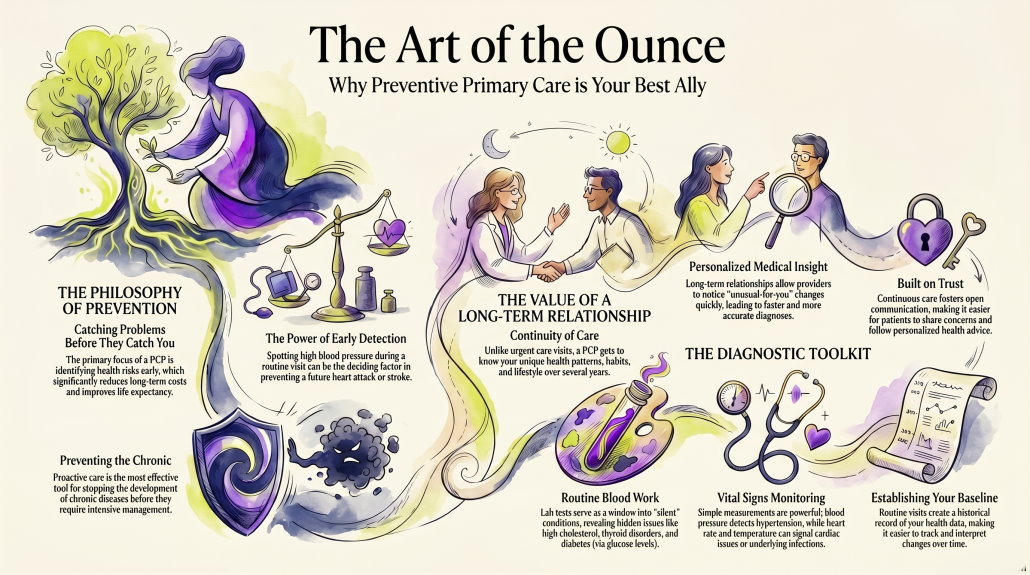
Early detection can make a life-changing difference. For example, spotting high blood pressure early can prevent heart disease or stroke later.
Building Long-Term Patient Relationships
One of the biggest advantages PCPs have is continuity. Over time, they get to know your health patterns, habits, and even subtle changes in your condition.
This relationship allows them to:
- Notice unusual changes quickly
- Provide personalized advice
- Build trust for open communication
🔬 Routine Health Screenings and Checkups
Routine checkups are the backbone of early detection. These visits help establish baseline health data and track changes over time.
Blood Tests and Lab Work
Blood tests are powerful tools that reveal hidden conditions such as:
- High cholesterol
- Diabetes (via glucose levels)
- Thyroid disorders
Even when you feel fine, these tests can uncover silent issues.
Vital Signs Monitoring
Simple measurements can say a lot:
- Blood pressure → detects hypertension
- Heart rate → identifies cardiac issues
- Temperature → signals infection
These quick checks often provide the first clue of underlying problems.
📋 Patient History and Lifestyle Assessment
A thorough understanding of your past and present health is crucial.
Family Health History
Genetics play a major role in health risks. PCPs analyze family history to detect predispositions to:
- Heart disease
- Cancer
- Diabetes
This allows for early and targeted screening.
Lifestyle Habits Evaluation
Your daily habits matter more than you think. PCPs assess:
- Diet and nutrition
- Physical activity
- Smoking or alcohol use
Even small lifestyle changes can prevent serious diseases down the road.
🧠 Advanced Diagnostic Tools
Modern medicine has equipped PCPs with powerful tools for early detection.
Use of Wearable Health Devices
Devices like smartwatches track:
- Heart rate
- Sleep patterns
- Activity levels
These provide real-time data that helps detect abnormalities early.
Telehealth and Digital Tracking
Telehealth allows providers to monitor patients remotely. This is especially useful for:
- Chronic disease management
- Mental health check-ins
- Follow-up consultations
⚠️ Early Warning Signs Identification
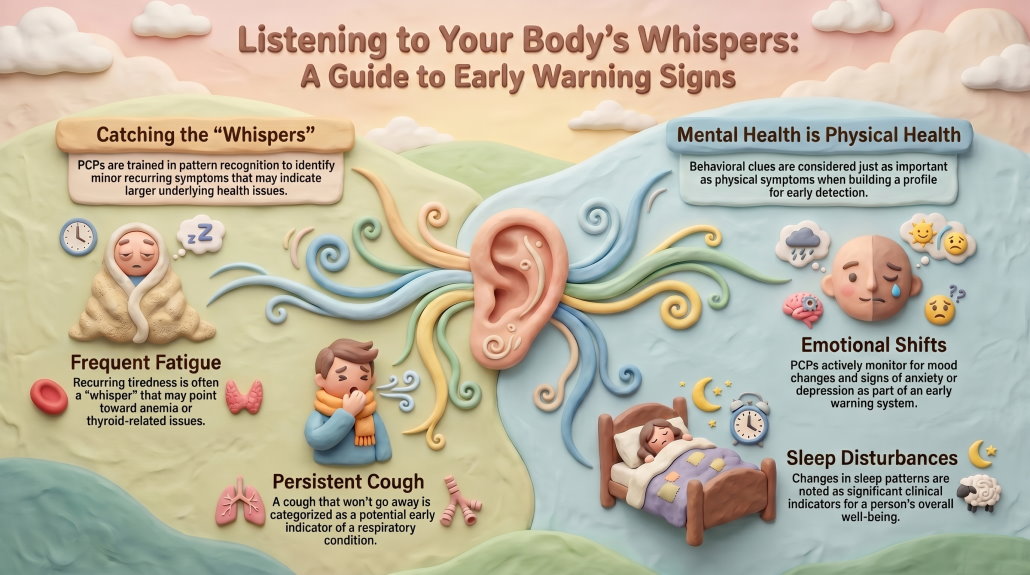
Sometimes, the body whispers before it screams. PCPs are trained to catch those whispers.
Pattern Recognition in Symptoms
Recurring minor symptoms may indicate bigger issues. For example:
- Frequent fatigue → possible anemia or thyroid issues
- Persistent cough → potential respiratory condition
Behavioral and Mental Health Clues
Mental health is just as important as physical health. PCPs watch for:
- Mood changes
- Anxiety or depression signs
- Sleep disturbances
🛡️ Preventive Screenings for Chronic Diseases
Screenings are tailored based on age, gender, and risk factors.
Age-Appropriate Screenings
Examples include:
- Colonoscopy (age 45+)
- Blood sugar tests
- Bone density scans
Gender-Specific Health Checks
- Mammograms for women
- Prostate exams for men
These targeted screenings improve early detection rates.
💉 Immunizations and Preventive Measures
Vaccines are a simple yet powerful way to prevent disease.
Disease Prevention Strategies
PCPs guide patients on:
- Healthy eating
- Exercise routines
- Stress management
Risk Reduction Counseling
They also help patients reduce risk factors through:
- Smoking cessation programs
- Weight management plans
📊 Personalized Care Plans
No two patients are the same. PCPs create customized care plans based on individual needs.
Data-Driven Decision Making
Using lab results and patient history, PCPs make informed decisions backed by science.
Monitoring Progress Over Time
Regular follow-ups ensure that treatments are working and adjustments are made when needed.
🤖 Role of Technology in Early Detection
Technology is transforming healthcare in exciting ways.
Electronic Health Records (EHR)
EHRs allow seamless tracking of patient data over time, helping identify trends and risks.
Predictive Risk Modeling
Advanced systems can predict potential health issues before symptoms even appear.
🤝 Collaboration with Specialists
When necessary, PCPs coordinate with specialists to ensure comprehensive care.
Coordinated Care Approach
This teamwork ensures that nothing slips through the cracks.
Timely Interventions
Early referrals can lead to faster diagnosis and better outcomes.
F.A.Q.
Absolutely. Diet, exercise, and habits play a huge role in long-term health.
It helps identify genetic risks and guides preventive screening.
They’re helpful for tracking trends but should not replace medical advice.
Blood tests, imaging scans, and routine screenings are most common.
Yes, many conditions like high blood pressure or diabetes can be silent.
At least once a year for a routine checkup, even if you feel healthy.
✅ Conclusion
Primary Care Providers Detect Hidden Health Issues Before They Become Serious by combining experience, technology, and proactive care. From routine screenings to personalized health plans, they play a vital role in keeping you healthy and informed.
By staying consistent with checkups and being open about your health, you give your provider the tools they need to protect your future. After all, when it comes to health, catching problems early isn’t just smart—it’s lifesaving.

The Crucial Role of Nutrition in Preventing Chronic Diseases
Jimenez2024-11-16T22:59:09+00:00May 7, 2024|Categories: Nutrition, Prevention|
The Crucial Role of Nutrition in Preventing Chronic Diseases As a medical doctors, we often emphasize to [...]


The Impact of Loneliness and Social Isolation on Older Adults
Jimenez2024-11-16T23:00:41+00:00March 6, 2024|Categories: elderly, Mental Disease|
Loneliness and social isolation are distinct yet interrelated concepts that significantly impact the well-being [...]