
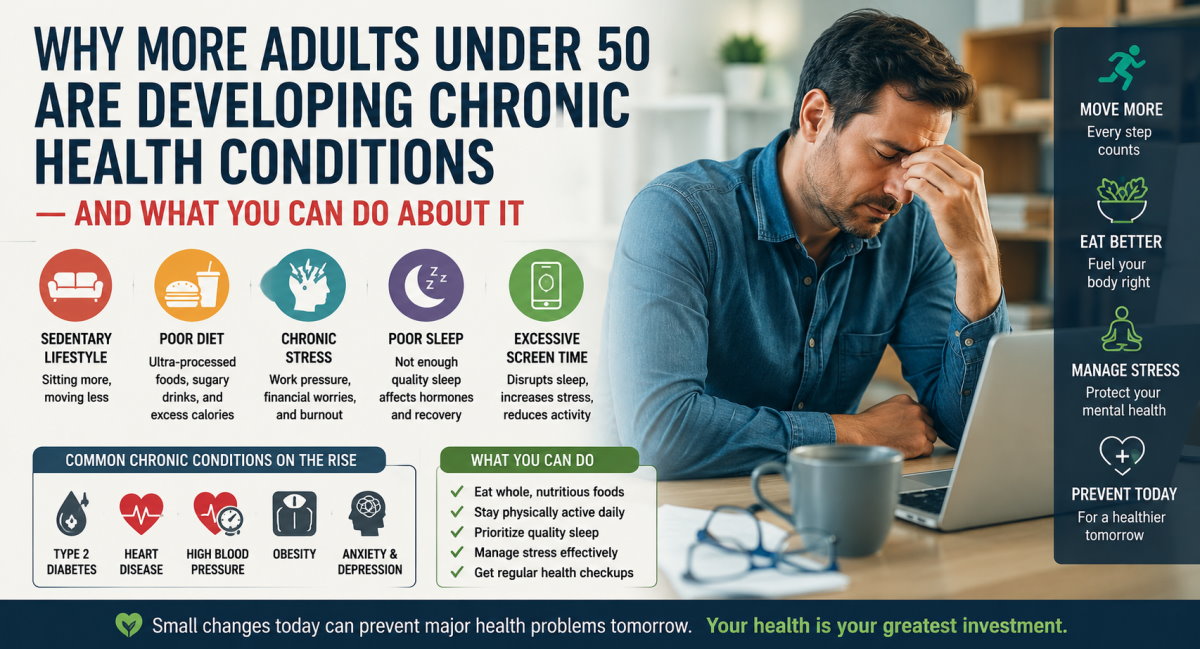
Why More Adults Under 50 Are Developing Chronic Health Conditions—and What You Can Do About It
For decades, chronic health conditions such as heart disease, type 2 diabetes, and high blood pressure were primarily associated with older adults. Today, however, healthcare professionals are observing a concerning shift. More adults under 50 are developing chronic health conditions at rates that were once uncommon for younger populations.
This trend is affecting millions of people worldwide and raising serious questions about modern lifestyles, environmental influences, and preventive healthcare. Understanding why this is happening—and what can be done to reduce the risk—is essential for anyone who wants to maintain long-term health and quality of life.
Understanding the Rise of Chronic Illness in Younger Adults
Chronic diseases are health conditions that persist for a year or longer and often require ongoing medical attention. Unlike short-term illnesses, chronic conditions can significantly impact daily life and increase healthcare costs.
What Counts as a Chronic Health Condition?
Common chronic conditions include:
- Type 2 diabetes
- Cardiovascular disease
- Hypertension
- Obesity
- Arthritis
- Chronic respiratory diseases
- Depression and anxiety disorders
- Certain autoimmune diseases
These conditions can develop gradually and often go unnoticed until symptoms become severe.
Why Age 50 Is No Longer a Protective Threshold
Historically, aging was considered the primary risk factor for chronic disease. While age remains important, lifestyle and environmental factors are increasingly accelerating disease development in younger adults.
Researchers have identified patterns showing that risk factors once seen in middle-aged and elderly populations are now appearing in people in their 20s, 30s, and 40s.
The Growing Numbers Behind the Trend
The rise in chronic illness among younger adults is not simply anecdotal. Public health organizations across the globe have documented increasing rates of metabolic, cardiovascular, and mental health disorders among adults under 50.

Key Statistics and Emerging Patterns
Several trends stand out:
| Health Condition | Trend Among Adults Under 50 |
|---|---|
| Type 2 Diabetes | Increasing significantly |
| Obesity | Rising globally |
| Hypertension | More common in younger adults |
| Anxiety Disorders | Record-high prevalence |
| Fatty Liver Disease | Rapid growth in diagnoses |
These patterns suggest that modern lifestyles are creating health risks much earlier in life.
Conditions Affecting Younger Populations
Younger adults are increasingly diagnosed with:
- Prediabetes
- Metabolic syndrome
- Sleep disorders
- Cardiovascular disease
- Depression and anxiety
- Gastrointestinal disorders
Many of these conditions are interconnected and share similar risk factors.
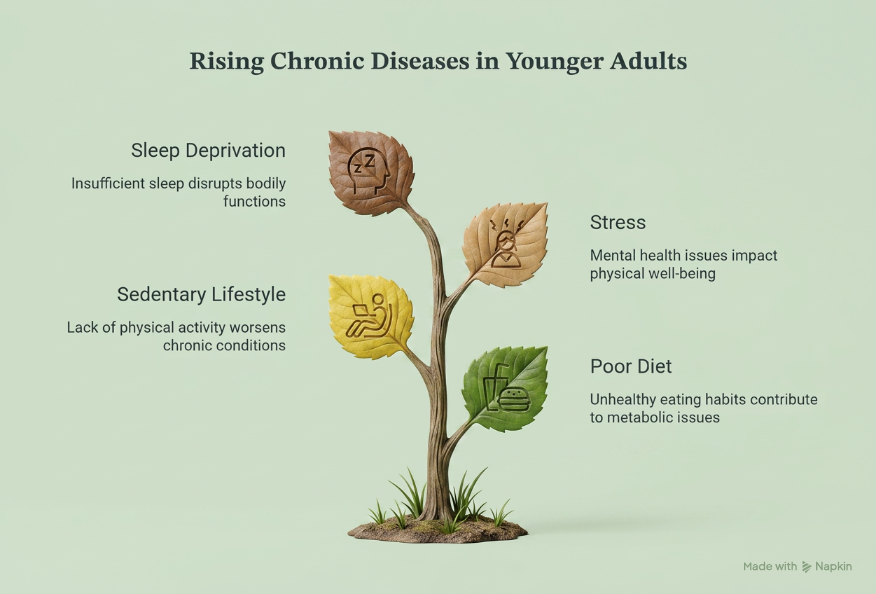
Lifestyle Factors Driving Chronic Disease
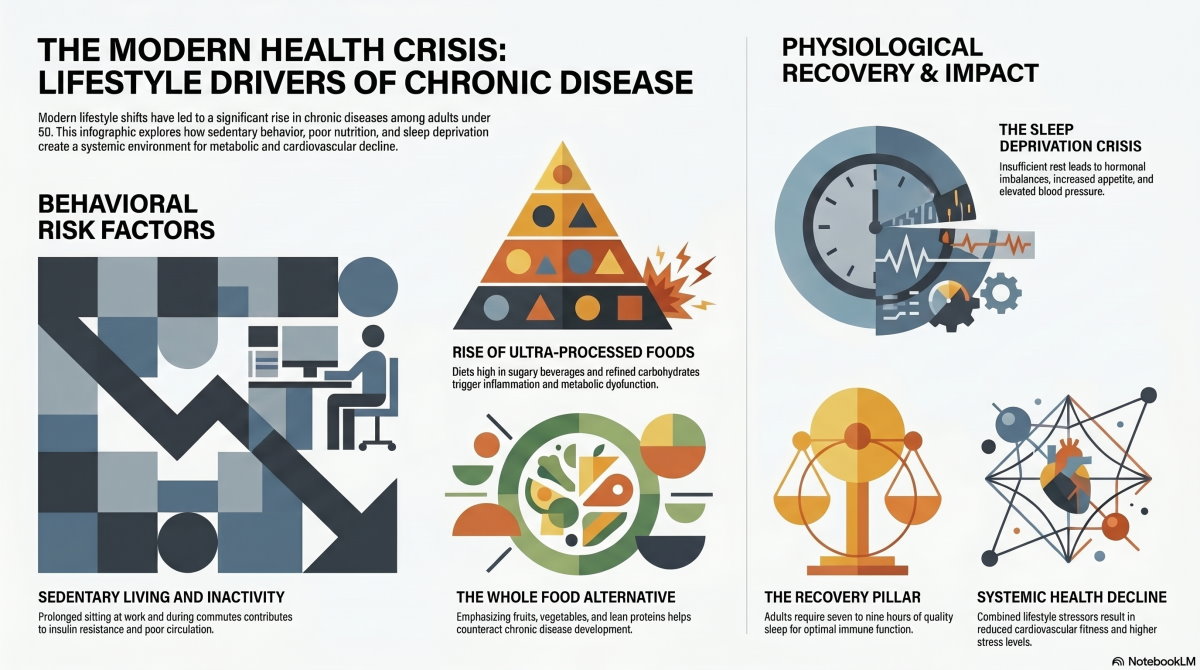
One of the biggest reasons more adults under 50 are developing chronic health conditions is the dramatic shift in lifestyle behaviors.
Sedentary Living and Physical Inactivity
Modern life encourages sitting.
People spend hours:
- Working at computers
- Watching television
- Using smartphones
- Commuting in vehicles
Physical inactivity contributes to:
- Weight gain
- Reduced cardiovascular fitness
- Insulin resistance
- Poor circulation
Even regular gym visits may not fully offset prolonged sitting if movement throughout the day remains limited.
Poor Nutrition and Ultra-Processed Foods
Diet plays a central role in chronic disease development.
Many people consume:
- Sugary beverages
- Fast food
- Packaged snacks
- Refined carbohydrates
- Highly processed meals
These foods often contain excess calories, sodium, unhealthy fats, and additives that contribute to inflammation and metabolic dysfunction.
A healthy dietary pattern emphasizes:
- Fruits
- Vegetables
- Whole grains
- Lean proteins
- Healthy fats
For evidence-based nutrition guidance, visit the World Health Organization: https://www.who.int
Sleep Deprivation and Recovery Deficits
Sleep is one of the most overlooked pillars of health.
Insufficient sleep can contribute to:
- Hormonal imbalances
- Increased appetite
- Higher stress levels
- Reduced immune function
- Elevated blood pressure
Adults should generally aim for seven to nine hours of quality sleep per night.
The Impact of Stress on Long-Term Health
Chronic stress has become a defining feature of modern adulthood.
Workplace Pressure and Burnout
Long working hours, constant connectivity, and demanding schedules create prolonged stress responses.
Over time, chronic stress may lead to:
- Elevated cortisol levels
- Increased inflammation
- High blood pressure
- Mental health challenges
Financial Stress and Mental Health Challenges
Economic uncertainty affects millions of adults under 50.
Persistent financial stress can contribute to:
- Anxiety
- Depression
- Sleep disruption
- Unhealthy coping behaviors
Stress management is no longer optional—it is a critical component of disease prevention.
Technology’s Role in Modern Health Problems
Technology offers many benefits but also introduces health risks when used excessively.
Excessive Screen Time
Long periods of screen exposure often result in:
- Reduced physical activity
- Poor posture
- Eye strain
- Mental fatigue
Many adults spend more waking hours looking at screens than ever before.
Digital Habits and Sleep Disruption
Late-night device use can interfere with melatonin production and disrupt natural sleep cycles.
Poor sleep quality is associated with:
- Obesity
- Diabetes
- Cardiovascular disease
- Mood disorders
Environmental and Social Contributors
Health outcomes are shaped by more than personal choices.
Pollution and Environmental Exposure
Research increasingly links environmental factors to chronic disease risk.
Potential contributors include:
- Air pollution
- Chemical exposure
- Water contamination
- Noise pollution
These factors may increase inflammation and contribute to long-term health problems.
Social Isolation and Reduced Community Engagement
Strong social connections support both physical and mental health.
Isolation has been linked to:
- Depression
- Anxiety
- Cardiovascular disease
- Increased mortality risk
Healthy relationships can be as important as diet and exercise.
Common Chronic Conditions Increasing Before Age 50
Type 2 Diabetes
Once primarily diagnosed in older adults, type 2 diabetes is increasingly affecting younger populations due to obesity, inactivity, and poor nutrition.
Heart Disease
Risk factors such as hypertension, obesity, and smoking are contributing to earlier cardiovascular problems.
Hypertension
High blood pressure often develops silently, making routine screening essential.
Obesity
Obesity remains one of the strongest predictors of future chronic disease.
Anxiety and Depression
Mental health conditions have become among the most prevalent chronic illnesses in younger adults.
Warning Signs You Should Never Ignore
Physical Symptoms
Seek medical advice if you experience:
- Persistent fatigue
- Frequent headaches
- Shortness of breath
- Unexplained weight changes
- Elevated blood pressure
- Ongoing digestive problems
Mental and Emotional Symptoms
Pay attention to:
- Chronic stress
- Mood swings
- Anxiety
- Difficulty concentrating
- Sleep disturbances
Early intervention often leads to better outcomes.
What You Can Do About It
The encouraging news is that many chronic health conditions are preventable or manageable through consistent lifestyle improvements.
Build Sustainable Healthy Habits
Focus on small changes that can be maintained long term rather than extreme short-term solutions.
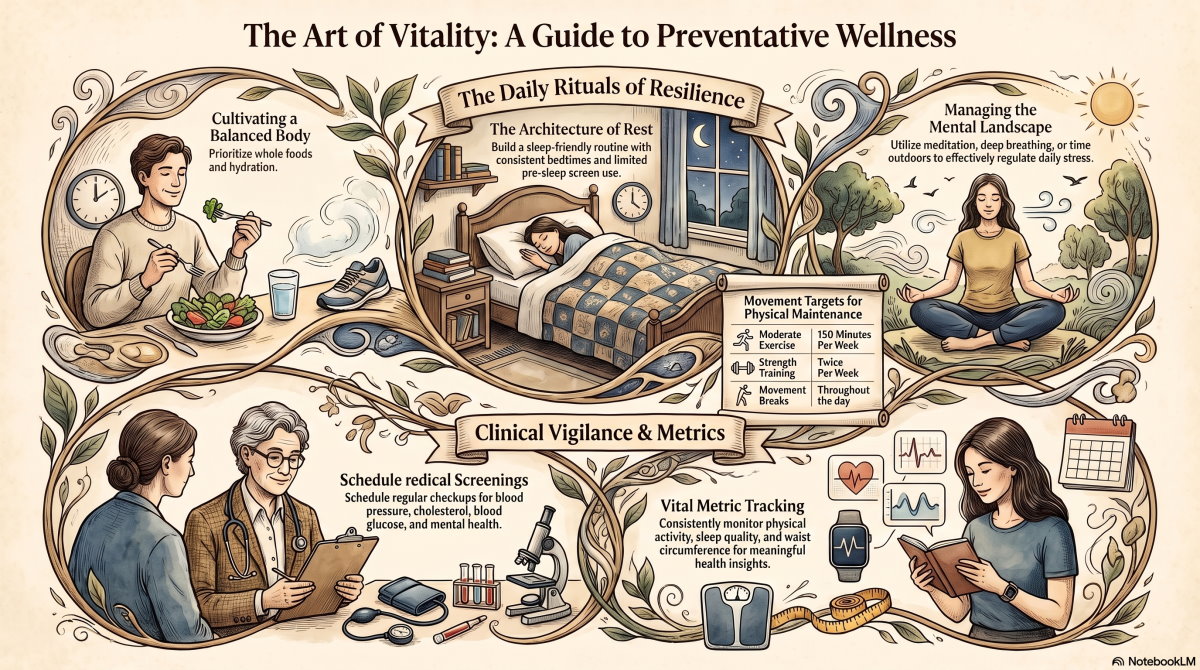
Improve Diet Quality
Aim to:
- Eat more whole foods
- Reduce added sugars
- Increase fiber intake
- Stay hydrated
Increase Daily Movement
Target at least:
- 150 minutes of moderate exercise weekly
- Regular walking breaks throughout the day
- Strength training twice per week
Prioritize Sleep
Create a sleep-friendly routine:
- Maintain consistent bedtimes
- Limit screen use before sleep
- Reduce caffeine late in the day
Manage Stress Effectively
Helpful approaches include:
- Meditation
- Deep breathing exercises
- Journaling
- Therapy
- Spending time outdoors
Preventive Healthcare Strategies
Routine Screenings and Checkups
Regular medical visits can detect problems before symptoms appear.
Recommended screenings may include:
- Blood pressure checks
- Cholesterol testing
- Blood glucose monitoring
- Mental health assessments
Tracking Health Metrics
Monitor:
- Weight
- Waist circumference
- Blood pressure
- Sleep quality
- Physical activity levels
Small changes tracked consistently often lead to meaningful improvements.
The Future of Health for Adults Under 50
The increase in chronic disease among younger adults represents one of the most important public health challenges of the 21st century. However, awareness is growing, and individuals have more tools than ever to improve their health outcomes.
Advances in preventive medicine, wearable technology, personalized healthcare, and public education may help reverse these troubling trends. Success will depend on creating healthier environments, encouraging sustainable habits, and prioritizing wellness long before disease develops.
F.A.Q.
Adults should discuss screening schedules with healthcare providers, but monitoring blood pressure, cholesterol, and blood sugar often begins well before age 50.
Yes. Chronic stress can increase inflammation, blood pressure, and the risk of cardiovascular and mental health disorders.
Most health organizations recommend at least 150 minutes of moderate-intensity activity each week.
Many chronic diseases can be prevented or delayed through healthy eating, regular exercise, quality sleep, stress management, and routine healthcare.
Obesity, hypertension, anxiety disorders, and type 2 diabetes are among the most common.
The primary factors include sedentary lifestyles, poor nutrition, chronic stress, insufficient sleep, obesity, and environmental influences.
✅ Conclusion
The reality that more adults under 50 are developing chronic health conditions reflects major changes in modern living. Sedentary behavior, unhealthy diets, chronic stress, sleep deprivation, and environmental influences are all contributing to earlier disease development. While the trend is concerning, it is not inevitable.
By adopting healthier habits, prioritizing preventive care, managing stress effectively, and staying physically active, younger adults can significantly reduce their risk of chronic disease. Small, consistent actions taken today can lead to better health, greater longevity, and improved quality of life for years to come.

The Crucial Role of Nutrition in Preventing Chronic Diseases
Jimenez2024-11-16T22:59:09+00:00May 7, 2024|Categories: Nutrition, Prevention|
The Crucial Role of Nutrition in Preventing Chronic Diseases As a medical doctors, we often emphasize to [...]


The Impact of Loneliness and Social Isolation on Older Adults
Jimenez2024-11-16T23:00:41+00:00March 6, 2024|Categories: elderly, Mental Disease|
Loneliness and social isolation are distinct yet interrelated concepts that significantly impact the well-being [...]