
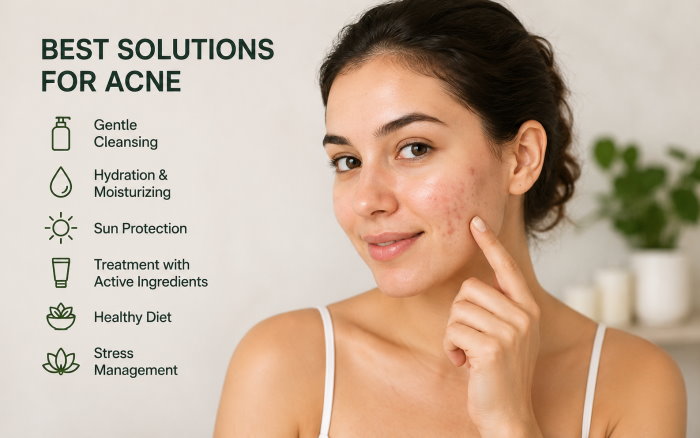
Best Solutions for Acne
Acne is one of the most common skin conditions worldwide, affecting teenagers and adults alike. Finding the Best Solutions for Acne can feel overwhelming because countless products and treatments claim to deliver perfect skin. The truth is that successful acne management usually involves a combination of proper skincare, effective treatments, healthy habits, and consistency. For individuals struggling with persistent breakouts, professional options such as our acne fighter treatment can help target the underlying causes of acne and support clearer, healthier skin.
Understanding Acne and Why It Happens
Acne develops when hair follicles become clogged with oil, dead skin cells, and bacteria. This blockage creates an environment where inflammation and pimples can form.
How Excess Oil Contributes to Breakouts
Sebaceous glands produce oil (sebum) to keep skin hydrated. However, excessive oil production can clog pores, especially when combined with dead skin cells.
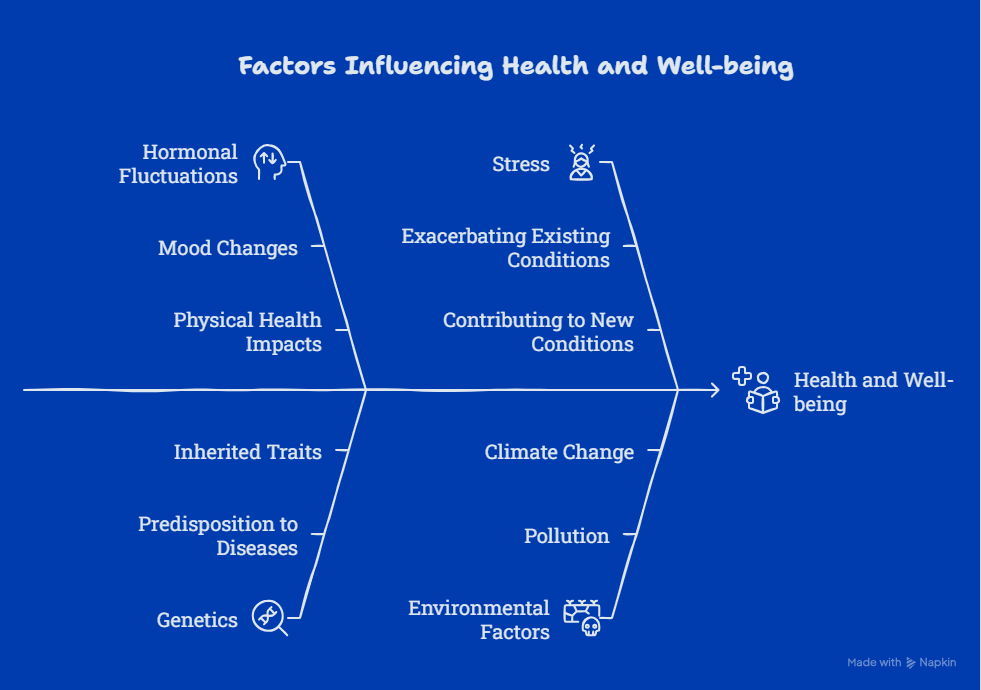
Common triggers include:
- Hormonal fluctuations
- Genetics
- Stress
- Certain medications
- Environmental factors
The Role of Bacteria and Inflammation
A bacterium known as Cutibacterium acnes naturally lives on the skin. When pores become blocked, bacteria can multiply rapidly, causing redness, swelling, and painful pimples.
Different Types of Acne
Understanding your acne type helps determine the most effective treatment.
Whiteheads and Blackheads
These are non-inflammatory forms of acne.
| Type | Description |
|---|---|
| Whiteheads | Closed clogged pores |
| Blackheads | Open clogged pores exposed to air |
Papules, Pustules, and Nodules
These inflammatory lesions appear red and swollen.
- Papules: Small red bumps
- Pustules: Pimples containing pus
- Nodules: Larger, painful lumps beneath the skin
Cystic Acne Explained
Cystic acne is the most severe form. It develops deep under the skin and often leads to scarring if left untreated.
Best Solutions for Acne: Daily Skincare Fundamentals
A consistent skincare routine is the foundation of acne control.
Choosing the Right Cleanser
Look for gentle, non-comedogenic cleansers that remove dirt and excess oil without stripping the skin.
Ideal ingredients include:
- Salicylic acid
- Glycolic acid
- Niacinamide
Wash your face twice daily and after sweating.
Importance of Moisturizing
Many people with acne avoid moisturizers, believing they worsen breakouts. In reality, dehydrated skin may produce even more oil.
Choose:
- Oil-free moisturizers
- Non-comedogenic formulas
- Lightweight gel-based products
Why Sunscreen Matters
Sun exposure can worsen inflammation and increase acne scarring.
Use sunscreen with:
- SPF 30 or higher
- Broad-spectrum protection
- Non-comedogenic labeling
Top Over-the-Counter Acne Treatments
Several proven ingredients are available without a prescription.
Salicylic Acid Benefits
Salicylic acid penetrates pores and helps remove excess oil and dead skin cells.
Benefits include:
- Reduced blackheads
- Fewer whiteheads
- Smoother skin texture
Benzoyl Peroxide Effectiveness
Benzoyl peroxide works by killing acne-causing bacteria.
Advantages:
- Reduces inflammation
- Prevents bacterial growth
- Effective for inflammatory acne
Start with lower concentrations to minimize irritation.
Adapalene and Retinoids
Adapalene is a topical retinoid that helps normalize skin cell turnover.
Benefits include:
- Prevention of clogged pores
- Reduced acne lesions
- Improved skin texture
Prescription Treatments for Persistent Acne
When over-the-counter treatments fail, dermatologists may recommend stronger options.
Topical Medications
Common prescriptions include:
- Tretinoin
- Clindamycin
- Dapsone
- Azelaic acid
These treatments target inflammation, bacteria, and pore congestion.
Oral Antibiotics
For moderate to severe acne, doctors may prescribe antibiotics such as doxycycline or minocycline.
These medications:
- Reduce bacterial growth
- Decrease inflammation
- Improve severe breakouts
Hormonal Treatments
Hormonal acne often affects adult women.
Options may include:
- Birth control pills
- Spironolactone
These treatments help regulate hormone-related oil production.
Natural Remedies That May Help
Natural approaches may complement traditional treatments.
Tea Tree Oil
Tea tree oil possesses antimicrobial properties that may reduce acne-causing bacteria.
Always dilute before use to prevent irritation.
Green Tea Extract
Research suggests green tea contains antioxidants that help reduce inflammation and oil production.
Green tea may be found in:
- Serums
- Creams
- Toners
Aloe Vera Applications
Aloe vera may soothe irritated skin and support healing when used alongside standard acne treatments.
Diet and Acne Connection
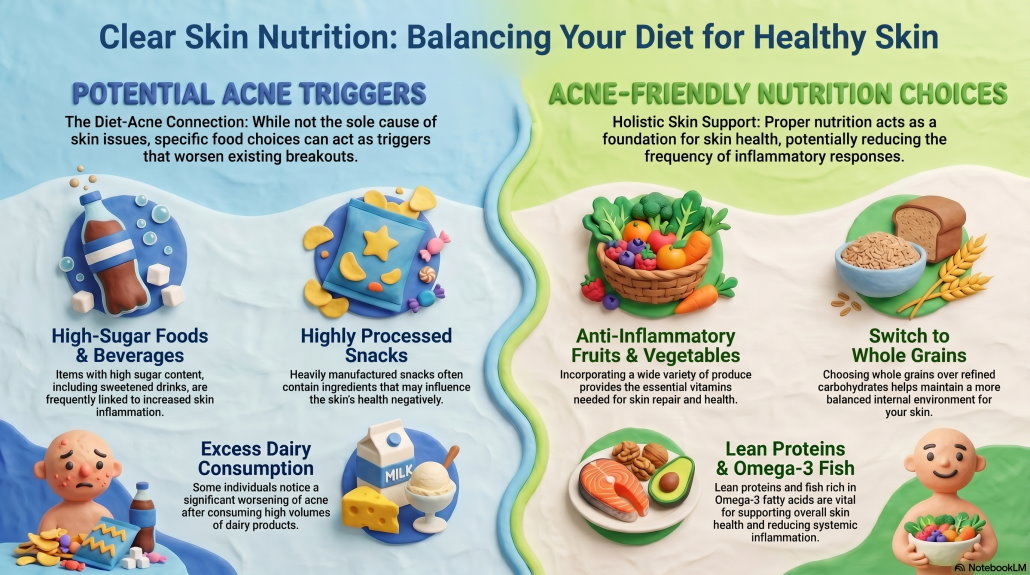
While diet is not the sole cause of acne, certain foods may influence breakouts.
Foods That May Trigger Acne
Some individuals notice worsening acne after consuming:
- High-sugar foods
- Sugary beverages
- Highly processed snacks
- Excess dairy products
Acne-Friendly Nutrition Choices
Consider incorporating:
- Vegetables
- Fruits
- Whole grains
- Lean proteins
- Omega-3-rich fish
Proper nutrition supports overall skin health and may reduce inflammation.
For additional information, visit the American Academy of Dermatology: https://www.aad.org
Lifestyle Changes for Clearer Skin
Healthy habits can significantly improve acne outcomes.
Stress Management
Stress may increase hormones associated with oil production.
Helpful techniques include:
- Meditation
- Deep breathing
- Yoga
- Journaling
Sleep and Skin Health
Aim for 7–9 hours of quality sleep nightly.
Benefits include:
- Better skin repair
- Reduced inflammation
- Improved hormone regulation
Exercise and Hydration
Regular exercise promotes circulation and overall wellness.
Remember to:
- Shower after workouts
- Stay hydrated
- Wear breathable clothing
Preventing Acne Scars
Early treatment is crucial for minimizing long-term skin damage.
Early Treatment Strategies
To reduce scarring risk:
- Avoid picking pimples
- Treat acne promptly
- Use sunscreen daily
- Follow treatment plans consistently
Professional Scar Treatments
Dermatologists may recommend:
| Treatment | Purpose |
|---|---|
| Chemical Peels | Improve texture |
| Microneedling | Stimulate collagen |
| Laser Therapy | Reduce scar appearance |
| Dermal Fillers | Improve depressed scars |
Common Acne Mistakes to Avoid
Many people unintentionally worsen acne by:
- Overwashing the skin
- Picking or squeezing pimples
- Using harsh scrubs
- Skipping moisturizer
- Frequently changing products
- Ignoring sunscreen
- Expecting overnight results
Consistency is often the key to success.
F.A.Q.
Consult a dermatologist if acne is severe, painful, causing scars, or not improving with over-the-counter treatments.
Yes. Using an oil-free, non-comedogenic moisturizer helps maintain skin balance and may reduce excess oil production.
Water alone does not cure acne, but proper hydration supports overall skin health.
Stress may not directly cause acne but can worsen existing breakouts by influencing hormone levels and inflammation.
Most treatments require 6–12 weeks of consistent use before significant improvement becomes visible.
The most effective treatment depends on acne severity. Benzoyl peroxide, retinoids, and prescription therapies are among the most proven options.
✅ Conclusion
Finding the Best Solutions for Acne involves more than purchasing the latest skincare product. Effective acne management combines gentle cleansing, targeted treatments, healthy lifestyle habits, proper nutrition, and patience. Whether you choose over-the-counter remedies, prescription therapies, or supportive natural treatments, consistency remains the most important factor.
With the right approach and expert guidance when needed, clearer and healthier skin is an achievable goal.




How SOLE HEALTH Supports Women’s Health at Every Stage of Life
Jimenez2026-04-03T16:32:27+00:00February 18, 2025|Categories: Prevention|Tags: wellness exam|
Introduction to Women’s Health Across the Lifespan Women’s health isn’t a one-size-fits-all journey—it evolves over time, shaped [...]