
Non-Surgical Joint Pain Treatment in Hollywood, FL – What Patients Should Know
Joint pain can make everyday activities—walking, climbing stairs, exercising, or even getting out of bed—more difficult than they should be. Whether it’s caused by arthritis, a sports injury, overuse, or age-related wear and tear, persistent joint pain can significantly affect your quality of life.
Fortunately, surgery isn’t always the first or only solution. Many patients in Hollywood, FL, experience meaningful pain relief and improved mobility through non-surgical joint pain treatments that focus on reducing inflammation, restoring function, and helping people return to the activities they enjoy.
This article by Sole Health Medical Center explains the most common non-surgical treatment options, who may benefit from them, and what to expect when seeking care.
Understanding Joint Pain
Joints connect bones and allow movement throughout the body. Over time, injuries, repetitive stress, inflammation, and chronic conditions can damage the structures surrounding a joint, leading to discomfort and stiffness.
Common causes of joint pain include:
- Osteoarthritis
- Rheumatoid arthritis
- Tendinitis
- Bursitis
- Ligament injuries
- Cartilage damage
- Sports injuries
- Previous fractures
- Age-related degeneration
The knees, hips, shoulders, ankles, wrists, and elbows are among the most commonly affected joints.
While occasional soreness may improve with rest, pain that lasts several weeks or interferes with daily activities should be evaluated by a healthcare professional.
Who Can Benefit from Non-Surgical Treatment?
Many patients are good candidates for conservative care before considering surgery.
You may benefit from non-surgical treatment if you:
- Have mild to moderate arthritis
- Experience chronic joint pain without severe structural damage
- Want to delay or avoid surgery
- Are recovering from an injury
- Have inflammation limiting movement
- Wish to remain active with less pain
A thorough medical evaluation, physical examination, and imaging studies—such as X-rays or MRI scans when appropriate—help determine the most effective treatment plan.
Common Non-Surgical Joint Pain Treatments
Treatment plans are often personalized because no single therapy works for everyone. Many patients achieve the best results through a combination of approaches.
Physical Therapy
Physical therapy is one of the most effective non-surgical treatments for many joint conditions.
A customized exercise program may help:
- Improve flexibility
- Strengthen supporting muscles
- Increase joint stability
- Improve balance
- Restore range of motion
- Reduce pain during movement
Therapists may also incorporate stretching, manual therapy, and functional movement training to improve daily activities.
Lifestyle Modifications
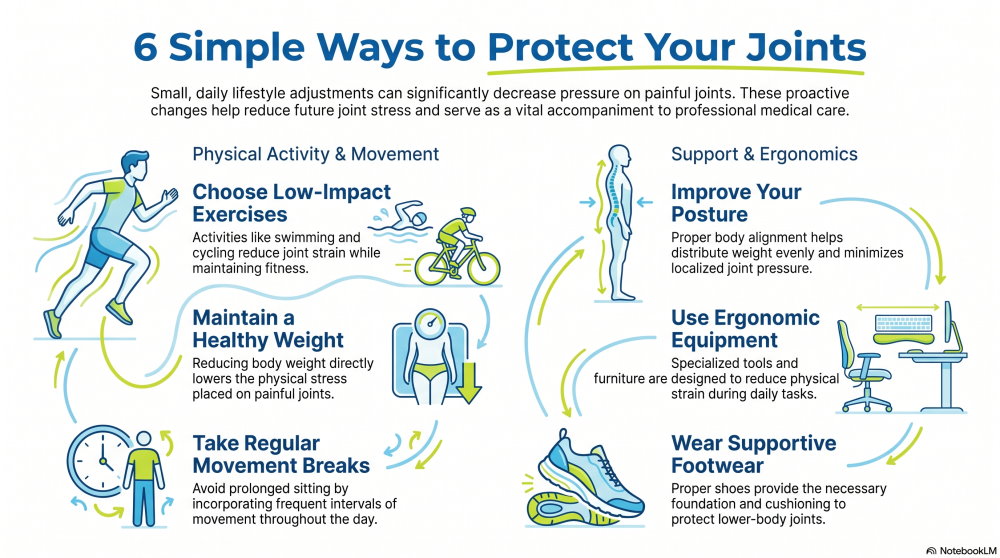
Small lifestyle changes can significantly reduce stress on painful joints.
Recommendations may include:
- Maintaining a healthy weight
- Choosing low-impact exercises such as swimming or cycling
- Improving posture
- Wearing supportive footwear
- Using ergonomic equipment
- Taking regular movement breaks during prolonged sitting
These adjustments often complement medical treatment and help reduce future joint stress.
Medications
Depending on the underlying condition, healthcare providers may recommend medications to help manage symptoms.
Common options include:
- Acetaminophen
- Nonsteroidal anti-inflammatory drugs (NSAIDs)
- Topical anti-inflammatory creams
- Prescription anti-inflammatory medications
Medication recommendations should always consider a patient’s medical history and potential side effects.
Injection Therapies
For patients whose pain persists despite conservative care, injection therapies may provide temporary symptom relief.
Depending on the diagnosis, options may include:
- Corticosteroid injections to reduce inflammation
- Hyaluronic acid injections for certain knee osteoarthritis cases
- Other physician-recommended injectable therapies
These treatments are typically used alongside rehabilitation rather than as standalone solutions.
Regenerative Medicine
Some orthopedic and sports medicine practices offer regenerative medicine therapies, including platelet-rich plasma (PRP). Research into these treatments continues, and evidence varies depending on the condition being treated.
Patients considering regenerative therapies should discuss:
- Expected outcomes
- Current clinical evidence
- Potential risks
- Cost
- Whether the treatment is appropriate for their specific diagnosis
Since evidence continues to evolve, these therapies may not be suitable for every patient or covered by insurance.
Benefits of Early Treatment
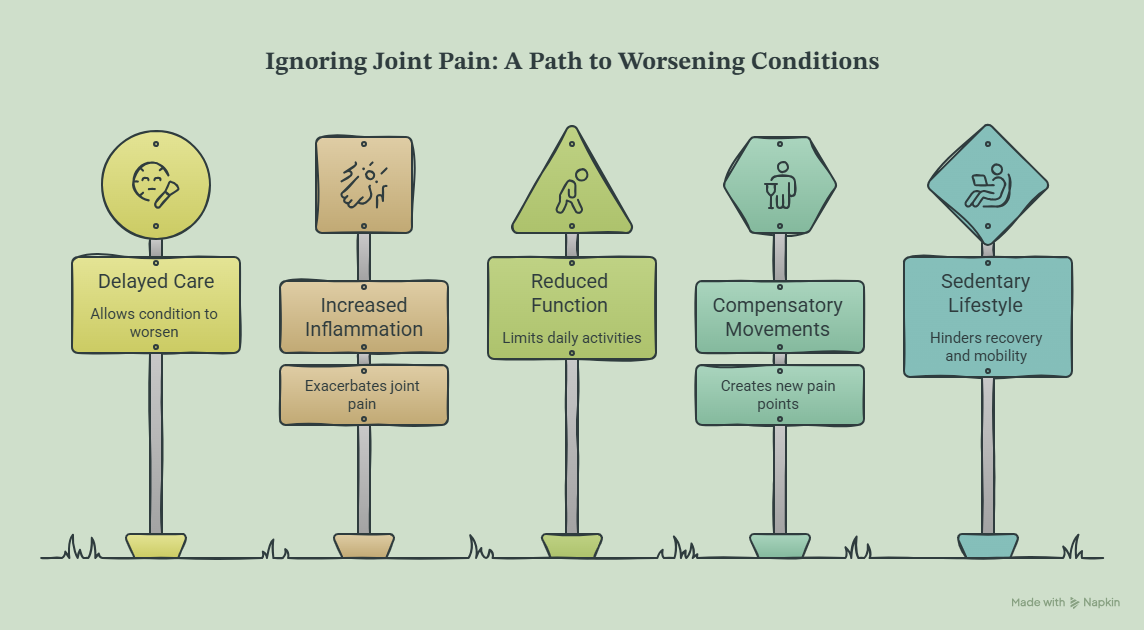
Ignoring joint pain can sometimes allow the condition to worsen over time.
Seeking care early may help:
- Reduce inflammation
- Preserve joint function
- Improve mobility
- Prevent compensatory movement patterns
- Maintain an active lifestyle
- Delay progression of some joint conditions
Early intervention also allows providers to identify underlying issues before they become more difficult to manage.
When Surgery May Be Necessary
Although many patients improve with conservative treatment, surgery may be recommended when:
- Severe joint damage is present
- Pain remains debilitating despite comprehensive treatment
- Mobility continues to decline
- Daily activities become significantly limited
- Imaging reveals structural problems unlikely to improve without surgery
An orthopedic specialist can discuss both surgical and non-surgical options to determine the most appropriate treatment plan.
Choosing a Joint Pain Specialist in Hollywood, FL
When selecting a provider, consider factors such as:
- Board certification and relevant training
- Experience treating your specific joint condition
- Access to advanced diagnostic imaging
- Availability of physical therapy or rehabilitation services
- Comprehensive treatment options
- Clear communication and individualized care plans
A multidisciplinary approach often leads to better long-term outcomes by addressing both pain relief and functional recovery.
F.A.Q.
The right type of exercise often improves joint health. High-impact activities may aggravate symptoms, while low-impact exercises can strengthen muscles and support joint function. Ypou shoul always consult with your pain management specialist before engaging in some extreme exercices.
You should seek medical evaluation if joint pain lasts more than a few weeks, limits daily activities, causes swelling or instability, or worsens despite home care. At Sole Health Medical Center we offer non-surgical joint pain treatments for our patients.
Some exercises may cause mild discomfort initially, but therapy is designed to improve mobility safely over time. Therapists adjust programs based on each patient’s tolerance.
Most joint injections provide temporary relief rather than a permanent cure. Their duration varies depending on the individual and the underlying condition.
Yes. Many cases of arthritis, tendinitis, bursitis, and overuse injuries respond well to conservative treatment and rehabilitation
The best treatment depends on the cause of the pain. Many patients benefit from a combination of physical therapy, lifestyle modifications, medications, and targeted injections.
✅ Conclusion




How SOLE HEALTH Supports Women’s Health at Every Stage of Life
Jimenez2026-04-03T16:32:27+00:00February 18, 2025|Categories: Prevention|Tags: wellness exam|
Introduction to Women’s Health Across the Lifespan Women’s health isn’t a one-size-fits-all journey—it evolves over time, shaped [...]