
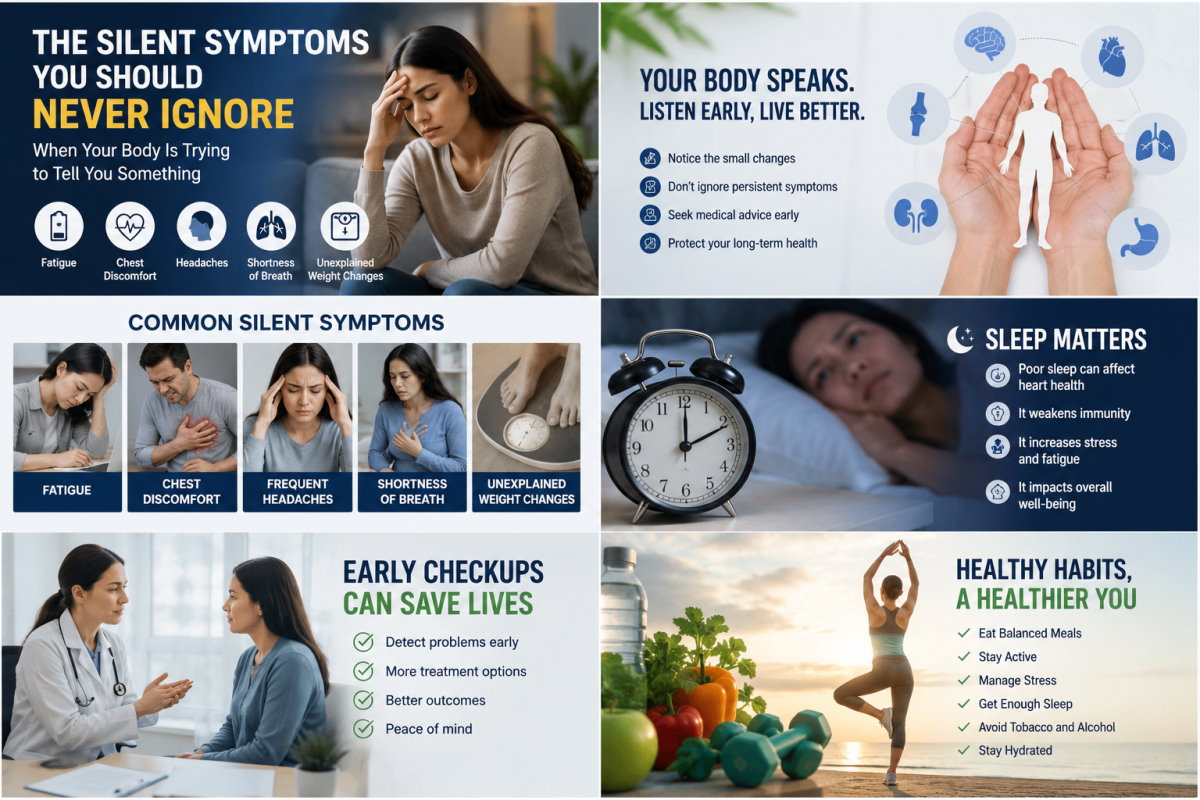
The Silent Symptoms You Should Never Ignore: When Your Body Is Trying to Tell You Something
Health problems rarely appear without warning. In many cases, the body sends subtle signals long before a serious condition develops. Unfortunately, these signs are often dismissed as stress, aging, lack of sleep, or everyday discomfort. Understanding The Silent Symptoms You Should Never Ignore: When Your Body Is Trying to Tell You Something can help you identify potential health concerns early and seek treatment before complications arise.
Many serious illnesses, including heart disease, diabetes, cancer, and neurological disorders, often begin with symptoms so mild that people overlook them. Paying attention to these silent messages could make a significant difference in your overall health and well-being.
Understanding Silent Symptoms and Why They Matter
What Are Silent Symptoms?
Silent symptoms are subtle physical or mental changes that may indicate an underlying health condition. Unlike severe pain or sudden illness, these symptoms develop gradually and often seem harmless at first.
Examples include:
- Persistent fatigue
- Minor breathing difficulties
- Unexpected weight changes
- Frequent headaches
- Changes in sleep patterns
These signs may appear insignificant individually, but together they can provide valuable clues about your health.
The Body’s Early Warning System
Your body constantly communicates through physical sensations and changes. Think of silent symptoms as warning lights on a car dashboard. Ignoring them doesn’t make the problem disappear—it often allows it to worsen over time.
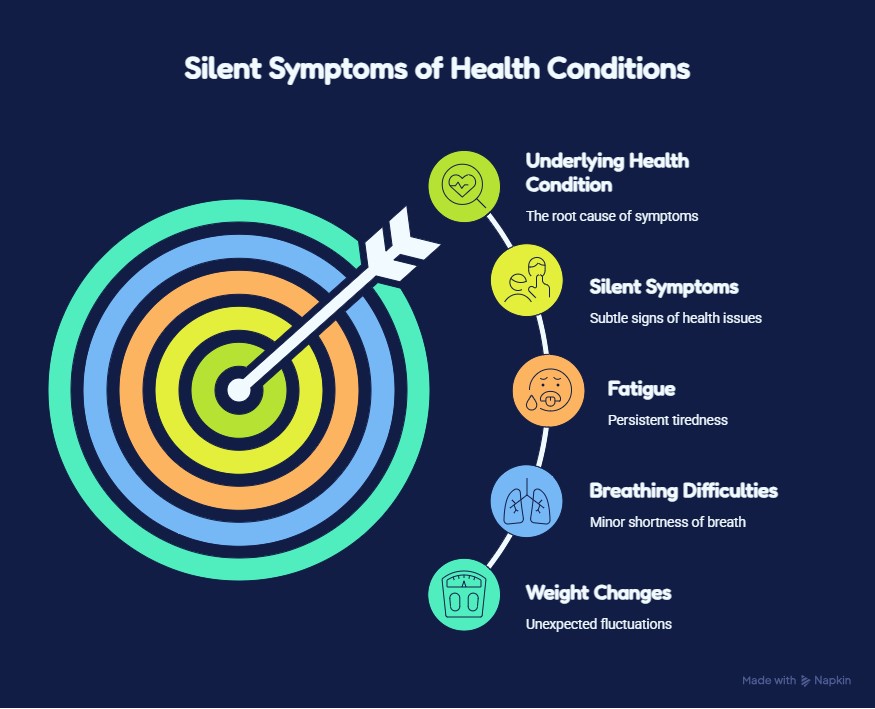
Unexplained Weight Loss or Gain
Sudden changes in body weight without changes in diet or exercise should never be ignored.
Metabolic and Hormonal Factors
Potential causes include:
| Symptom | Possible Cause |
|---|---|
| Weight Loss | Hyperthyroidism, cancer, diabetes |
| Weight Gain | Hypothyroidism, hormonal imbalance |
| Rapid Fluctuation | Kidney or heart problems |
When Sudden Weight Changes Require Evaluation
Losing more than 5% of your body weight within six to twelve months without trying warrants a discussion with a healthcare professional.
Shortness of Breath During Everyday Activities
Breathing should feel effortless during routine activities.
Heart-Related Causes
Shortness of breath may indicate:
- Congestive heart failure
- Coronary artery disease
- Heart rhythm abnormalities
Lung and Respiratory Conditions
Other causes include:
- Asthma
- Chronic obstructive pulmonary disease (COPD)
- Pulmonary embolism
- Lung infections
If climbing stairs or walking short distances suddenly becomes difficult, seek medical advice.
Chest Discomfort and Hidden Cardiovascular Risks
Chest pain isn’t always dramatic. Sometimes it appears as pressure, tightness, burning, or mild discomfort.
Symptoms Often Mistaken for Indigestion
Many people assume symptoms are caused by:
- Acid reflux
- Muscle strain
- Anxiety
While these explanations may be correct, chest discomfort should never be automatically dismissed.
Warning Signs of a Heart Attack
Seek emergency care if chest discomfort occurs alongside:
- Sweating
- Nausea
- Jaw pain
- Arm pain
- Shortness of breath
According to the American Heart Association, early intervention significantly improves survival rates. Learn more at: https://www.heart.org
Frequent Headaches and Neurological Concerns
Most headaches are harmless, but persistent or unusual headaches may indicate a more serious issue.
Tension Headaches vs. Serious Conditions
Common causes include:
- Stress
- Dehydration
- Eye strain
However, headaches may also result from:
- High blood pressure
- Brain tumors
- Stroke
- Neurological disorders
When to Seek Immediate Medical Attention
Seek urgent care if a headache:
- Appears suddenly and intensely
- Causes confusion
- Affects speech
- Occurs after a head injury
Changes in Bowel or Bladder Habits
The digestive and urinary systems often reveal early signs of illness.
Digestive System Warning Signs
Watch for:
- Persistent diarrhea
- Chronic constipation
- Blood in stool
- Narrow stools
- Abdominal pain
Urinary Symptoms You Should Never Ignore
Seek evaluation for:
- Blood in urine
- Frequent urination
- Painful urination
- Sudden loss of bladder control
These symptoms may indicate infections, kidney disease, or even certain cancers.
Persistent Cough or Hoarseness
Common Benign Causes
Many coughs result from:
- Allergies
- Viral infections
- Acid reflux
Potential Underlying Diseases
A cough lasting more than three weeks could be associated with:
- Chronic lung disease
- Tuberculosis
- Lung cancer
Similarly, hoarseness that persists beyond a few weeks should be medically assessed.
Unusual Skin Changes and What They Mean
The skin often reflects internal health conditions.
Moles, Spots, and Discoloration
Warning signs include:
- New moles
- Changing moles
- Non-healing sores
- Dark patches
Skin as a Window to Internal Health
Skin changes can sometimes signal:
- Autoimmune diseases
- Liver problems
- Hormonal disorders
- Skin cancer
Regular self-examinations can support early detection.
Numbness, Tingling, or Weakness
Nerve-Related Conditions
These sensations may stem from:
- Vitamin deficiencies
- Nerve compression
- Diabetes
- Multiple sclerosis
Stroke Warning Signs
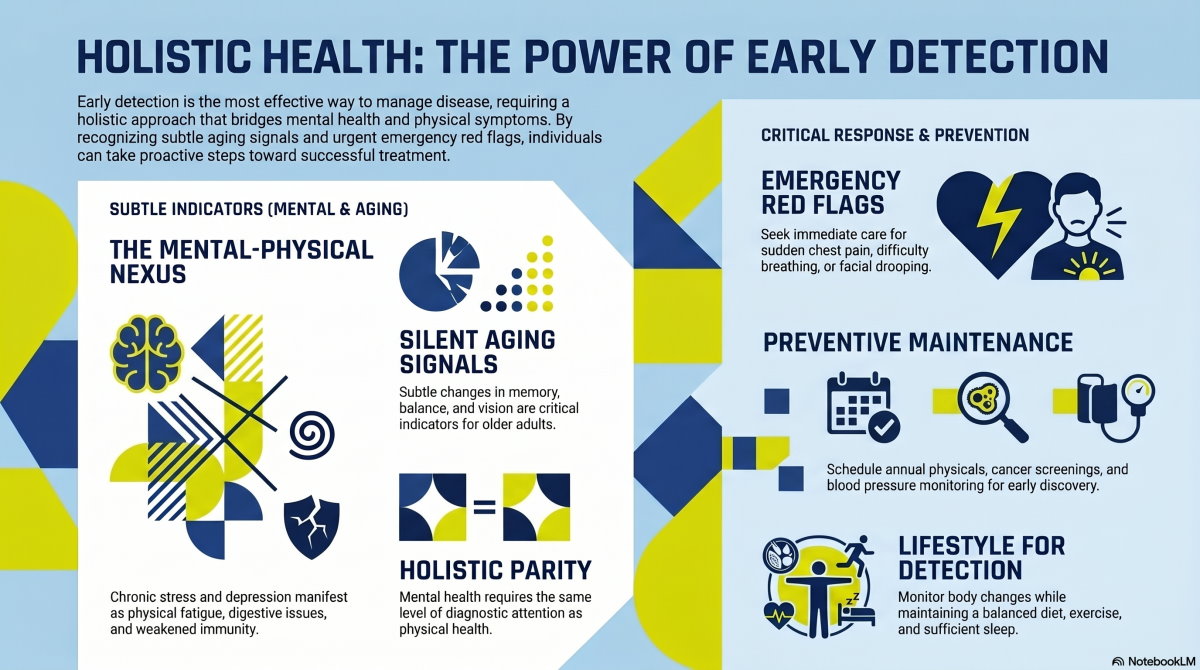
Sudden numbness on one side of the body, facial drooping, or difficulty speaking requires immediate emergency care.
Sleep Disturbances and Their Hidden Impact
Chronic Insomnia
Long-term sleep difficulties increase the risk of:
- Depression
- Heart disease
- Diabetes
- Obesity
Sleep Apnea and Other Disorders
Loud snoring and interrupted breathing during sleep may indicate sleep apnea, a condition linked to cardiovascular disease.

Mental Health Symptoms That Affect Physical Health
Anxiety and Chronic Stress
Chronic stress can contribute to:
- High blood pressure
- Digestive issues
- Sleep disorders
- Weakened immunity
Depression and Physical Symptoms
Depression may present as:
- Fatigue
- Appetite changes
- Body aches
- Difficulty concentrating
Mental health deserves the same attention as physical health.
Silent Symptoms You Should Never Ignore During Aging
As people age, subtle symptoms become increasingly important.
Age-Related Health Risks
Older adults may experience:
- Memory changes
- Balance problems
- Reduced stamina
- Vision changes
Preventive Healthcare Strategies
Recommended steps include:
- Annual physical exams
- Cancer screenings
- Blood pressure monitoring
- Cholesterol testing
- Vaccinations
Preventive care remains one of the most effective ways to detect disease early.
When to See a Doctor Immediately
Emergency Symptoms Checklist
Seek emergency medical attention for:
- Sudden chest pain
- Difficulty breathing
- Severe headache
- Facial drooping
- Sudden confusion
- Loss of consciousness
- Uncontrolled bleeding
Quick action can save lives.
Prevention Through Awareness and Regular Checkups
Lifestyle Habits That Support Early Detection
Healthy habits include:
- Scheduling regular checkups.
- Monitoring changes in your body.
- Exercising regularly.
- Eating a balanced diet.
- Managing stress effectively.
- Getting sufficient sleep.
- Avoiding tobacco products.
The earlier health concerns are identified, the better the chances for successful treatment.
F.A.Q.
Screening recommendations vary by age and risk factors, but annual checkups are generally beneficial for most adults.
Early diagnosis often improves treatment outcomes and may prevent serious complications.
Yes. Chronic stress can contribute to headaches, digestive problems, sleep disturbances, and cardiovascular issues.
If you lose more than 5% of your body weight within six to twelve months without trying, consult a healthcare provider.
No. Fatigue may result from lifestyle factors, but persistent exhaustion should be evaluated if it continues despite adequate rest.
Fatigue, weight changes, headaches, shortness of breath, and digestive changes are among the most frequently overlooked symptoms.
✅ Conclusion
Understanding The Silent Symptoms You Should Never Ignore: When Your Body Is Trying to Tell You Something is an essential part of maintaining long-term health. Your body often communicates problems long before they become emergencies. Persistent fatigue, unexplained weight changes, shortness of breath, unusual skin changes, sleep disturbances, and neurological symptoms should never be ignored.
Listening to these early warning signs and seeking professional medical advice when necessary can lead to earlier diagnoses, more effective treatment, and better health outcomes. Awareness is one of the most powerful tools you have for protecting your well-being. When your body speaks, it’s wise to listen.

10 Proven Best Solutions for Acne That Really Work
Jimenez2026-06-25T02:20:14+00:00April 20, 2026|Categories: acne|Tags: acne trteatments, wellness exam|
Best Solutions for Acne By Sole Health Medical Center Acne is one of the most common skin [...]

Detect Hidden Health Issues Before They Become Serious
Jimenez2026-05-04T23:09:32+00:00March 12, 2026|Categories: physical exams, Prevention|Tags: wellness exam|
🩺 How Primary Care Providers Detect Hidden Health Issues Before They Become Serious Primary Care Providers Detect [...]

Understanding Your Blood Work
Jimenez2026-04-27T20:34:35+00:00February 19, 2026|Categories: physical exams, Prevention|Tags: wellness exam|
Understanding Your Blood Work: What Common Lab Results Really Mean By Sole Health Medical Center You've just [...]

How Primary Care Providers Detect Hidden Health Issues Before They Become Serious
Jimenez2026-04-02T19:37:39+00:00January 15, 2026|Categories: physical exams, Prevention|Tags: wellness exam|
How Primary Care Providers Detect Hidden Health Issues Before They Become Serious” – 7 Powerful Early Warning [...]