

How Primary Care Providers Detect Hidden Health Issues Before They Become Serious” – 7 Powerful Early Warning Strategies You Shouldn’t Ignore
Introduction to Preventive Primary Care
When it comes to protecting your health, waiting until symptoms become severe is never a smart strategy. That’s exactly why understanding “How Primary Care Providers Detect Hidden Health Issues Before They Become Serious” can truly change—and even save—lives.
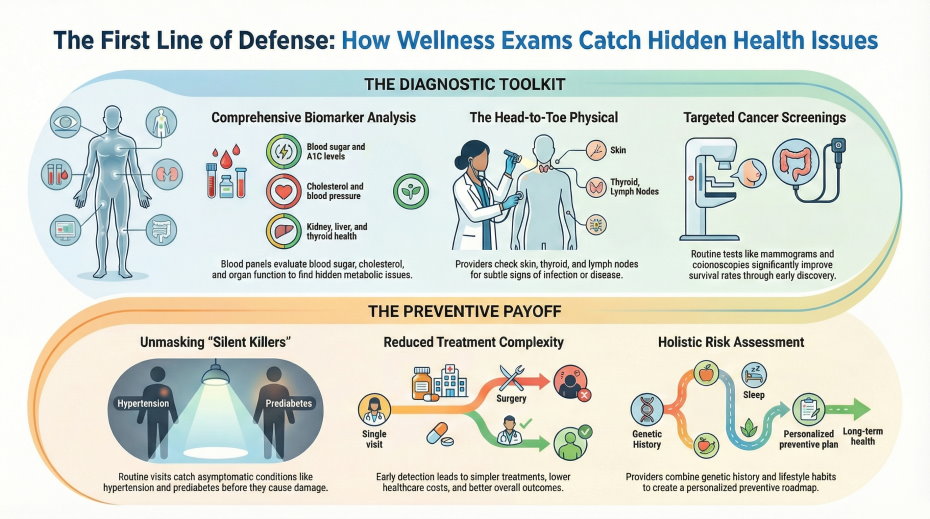
Primary care providers (PCPs) serve as the first line of defense in healthcare. They don’t just treat illnesses; they actively work to prevent them. Through routine checkups, screenings, and detailed evaluations, they often uncover medical conditions long before they become dangerous.
Preventive care focuses on early detection. It identifies risk factors, monitors subtle changes in the body, and applies medical knowledge to stop small concerns from turning into major health crises. In fact, according to the Centers for Disease Control and Prevention (CDC), preventive healthcare significantly reduces the risk of chronic diseases like heart disease, diabetes, and cancer.
Let’s explore how this powerful process works.
The Critical Role of Early Detection in Healthcare
Why Many Health Issues Start Silently
Many serious diseases develop quietly. High blood pressure, early-stage diabetes, thyroid disorders, and even certain cancers often show no clear symptoms at first. A person might feel completely fine while a condition slowly progresses beneath the surface.
Primary care providers are trained to recognize patterns and subtle warning signs that patients may not notice. They understand that silence does not equal safety.
The Cost of Ignoring Subtle Symptoms
Ignoring minor fatigue, unexplained weight changes, or occasional headaches might seem harmless. However, these subtle symptoms can be early indicators of larger issues. Early detection reduces treatment complexity, lowers healthcare costs, and improves survival rates.
Comprehensive Health Screenings Explained
Routine Blood Tests and Biomarkers
Blood work is one of the most powerful diagnostic tools in preventive care. During annual physical exams, primary care providers order blood panels that evaluate:
- Blood sugar levels
- Cholesterol levels
- Kidney function
- Liver enzymes
- Thyroid hormones
- Vitamin deficiencies
Abnormal lab results often reveal hidden conditions before symptoms appear. For example, elevated fasting glucose may signal prediabetes years before full diabetes develops.
Blood Pressure and Cardiovascular Monitoring
High blood pressure is often called the “silent killer.” Regular monitoring during office visits helps detect hypertension early. Providers also evaluate heart rate, circulation, and risk factors like smoking or obesity.
Early intervention can prevent heart attacks and strokes.
Diabetes and Cholesterol Screening
Routine cholesterol and A1C tests allow providers to catch metabolic issues early. With lifestyle adjustments and medication when necessary, patients can avoid serious complications such as nerve damage or heart disease.
Detailed Patient History and Risk Assessment
Family Medical History Insights
Genetics play a significant role in many diseases. A provider carefully reviews family history to assess risk for:
- Cancer
- Heart disease
- Autoimmune disorders
- Diabetes
- Mental health conditions
If a patient has a strong family history of colon cancer, for example, earlier screenings may be recommended.
Lifestyle and Behavioral Evaluation
Providers also evaluate lifestyle habits, including:
- Diet
- Exercise
- Sleep patterns
- Alcohol use
- Tobacco exposure
- Stress levels
These factors strongly influence long-term health outcomes.
Physical Examinations That Reveal Hidden Clues
Skin, Thyroid, and Lymph Node Checks
A routine physical exam is far more detailed than many people realize. PCPs check for:
- Suspicious moles
- Thyroid enlargement
- Swollen lymph nodes
- Abnormal skin discoloration
These signs may indicate infections, hormonal imbalances, or even early cancers.
Heart and Lung Assessments
Using a stethoscope, providers listen for irregular heartbeats or abnormal lung sounds. Subtle changes can signal respiratory disease, heart valve issues, or fluid buildup.
Advanced Diagnostic Tools in Primary Care
Imaging Referrals and Lab Testing
When something seems unusual, primary care providers order further testing such as:
- X-rays
- Ultrasounds
- CT scans
- MRI scans
These tools provide deeper insight into internal structures.
Preventive Cancer Screenings
Cancer screenings save lives. Common preventive screenings include:
- Mammograms
- Pap smears
- Colonoscopies
- Prostate exams
According to the American Cancer Society (https://www.cancer.org), early detection significantly improves survival rates.
Mental Health Screenings and Emotional Wellness
Depression and Anxiety Assessments
Mental health is just as important as physical health. PCPs use standardized questionnaires to screen for depression and anxiety. Many patients don’t openly discuss emotional distress unless asked directly.
Stress-Related Physical Symptoms
Chronic stress can cause headaches, digestive issues, and heart problems. Providers recognize these connections and offer appropriate interventions.
Chronic Disease Monitoring and Early Intervention
Patients with existing conditions like asthma, hypertension, or arthritis require continuous monitoring. Regular follow-ups ensure medications are working and complications are avoided.
Small adjustments early on prevent hospitalizations later.
Vaccinations and Preventive Immunizations
Vaccines protect against serious infections such as influenza, pneumonia, and HPV-related cancers. Immunizations are a vital part of preventive healthcare.
Technology and Electronic Health Records in Detection
Modern electronic health records (EHRs) help providers track trends over time. Subtle changes in lab values or weight gain patterns become easier to spot when data is organized and accessible.
Technology enhances accuracy and improves early diagnosis.
When Primary Care Providers Refer to Specialists
If a condition requires advanced expertise, PCPs coordinate care with specialists. Early referrals ensure timely treatment and comprehensive management.
Patient-Provider Communication: The Hidden Superpower
Open communication is one of the most powerful tools in early detection. When patients share concerns honestly, providers can connect the dots more effectively.
Trust builds better outcomes.
F.A.Q.
Early detection often means simpler treatment, lower costs, and better survival rates.
They evaluate family history, lifestyle, age, and screening guidelines.
Absolutely. Many conditions develop without symptoms.
Many insurance plans cover preventive screenings under wellness benefits. Always verify with your provider
Yes. Blood tests can identify early diabetes, kidney disease, thyroid problems, and more.
Most adults should schedule an annual wellness exam. Those with chronic conditions may need more frequent visits.
How Primary Care Providers Detect Hidden Health Issues Before They Become Serious
Jimenez2026-02-18T21:48:02+00:00November 22, 2025|Categories: physical exams, Prevention|Tags: wellness exam|
How Primary Care Providers Detect Hidden Health Issues Before They Become Serious” – 7 Powerful Early Warning [...]

What Does a Wellness Exam Include
Jimenez2025-10-29T01:14:36+00:00October 28, 2025|Categories: physical exams, Prevention|Tags: wellness exam|
What Does a Wellness Exam Include? A Step-by-Step Breakdown for First-Time Patients Understanding the Purpose of a [...]

5 Reasons Why Establishing a Relationship With Your Primary Care Doctor Can Save Your Life
Jimenez2026-02-03T21:15:12+00:00September 10, 2025|Categories: Prevention|
The Power of a Trusted Primary Care Doctor In today’s fast-paced world, many people only visit a [...]

How SOLE HEALTH MEDICAL CENTER Supports Chronic Condition Management
Jimenez2025-08-26T23:23:41+00:00August 26, 2025|Categories: Chronic Conditions|Tags: Health Screenings|
How SOLE HEALTH MEDICAL CENTER Supports Chronic Condition Management (Hypertension, Diabetes, etc.) Introduction: The [...]